
Choosing furniture for your home is one of the most important decisions in interior design. The right furniture not only enhances the beauty of your space but also improves comfort, functionality, and overall lifestyle. Whether you are furnishing a new house or upgrading your current space, knowing how to choose furniture for your home can help you avoid costly mistakes and create a cohesive, stylish environment.


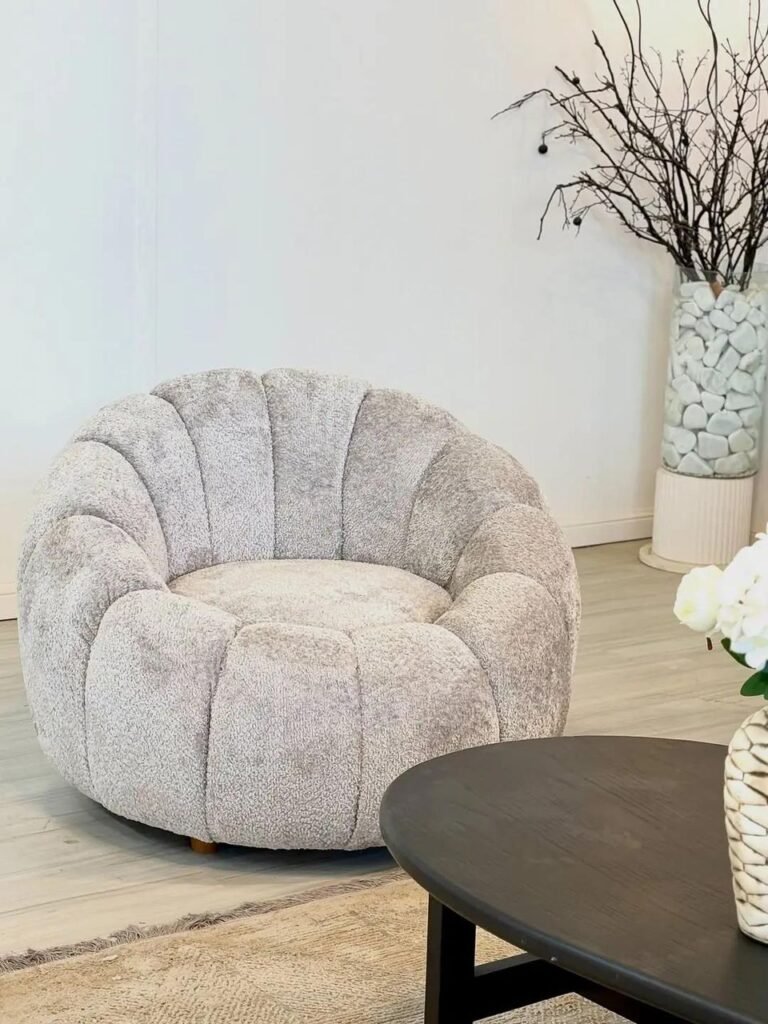
The first step in selecting furniture is understanding your space. Before purchasing anything, carefully measure your rooms, including wall lengths, ceiling height, doorways, and windows. Many homeowners skip this step and end up with oversized sofas or undersized tables that make the room feel awkward. Proper measurements help you determine the ideal scale and proportion of each piece. A well-furnished room should feel balanced, with enough space to move comfortably without overcrowding.


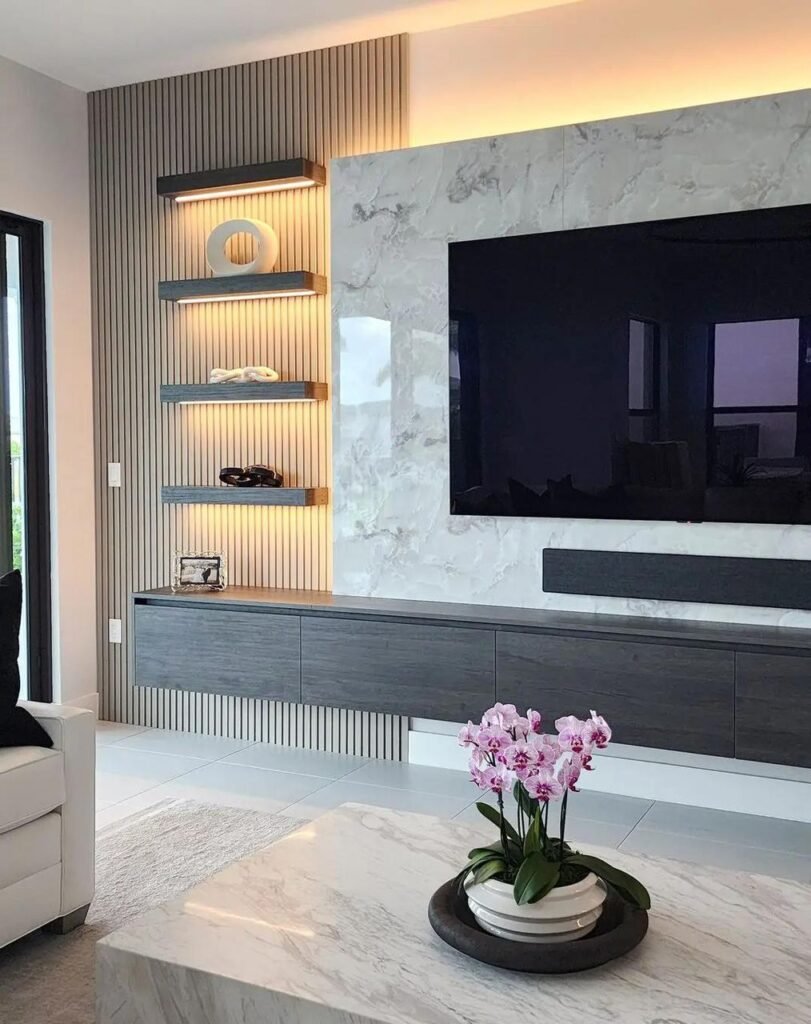
Once you understand your space, define your interior style. Your furniture should reflect your personality while complementing your home’s architecture. Some people prefer a modern aesthetic with clean lines and neutral tones, while others gravitate toward traditional styles with rich wood finishes and elegant details. If you’re unsure about your design preference, browsing inspiration on platforms like Pinterest and Instagram can help you identify patterns in what you like. Creating a mood board can also guide your purchasing decisions and prevent impulse buys that don’t fit your overall theme.
Functionality should always come before appearance. Think about how you use each room daily. For example, if you entertain guests often, investing in a spacious and comfortable sofa makes sense. If you work from home, an ergonomic office chair and a sturdy desk become essential. Families with children or pets should prioritize durable materials and stain-resistant fabrics. Furniture is not just decorative; it should support your lifestyle and make daily routines easier.

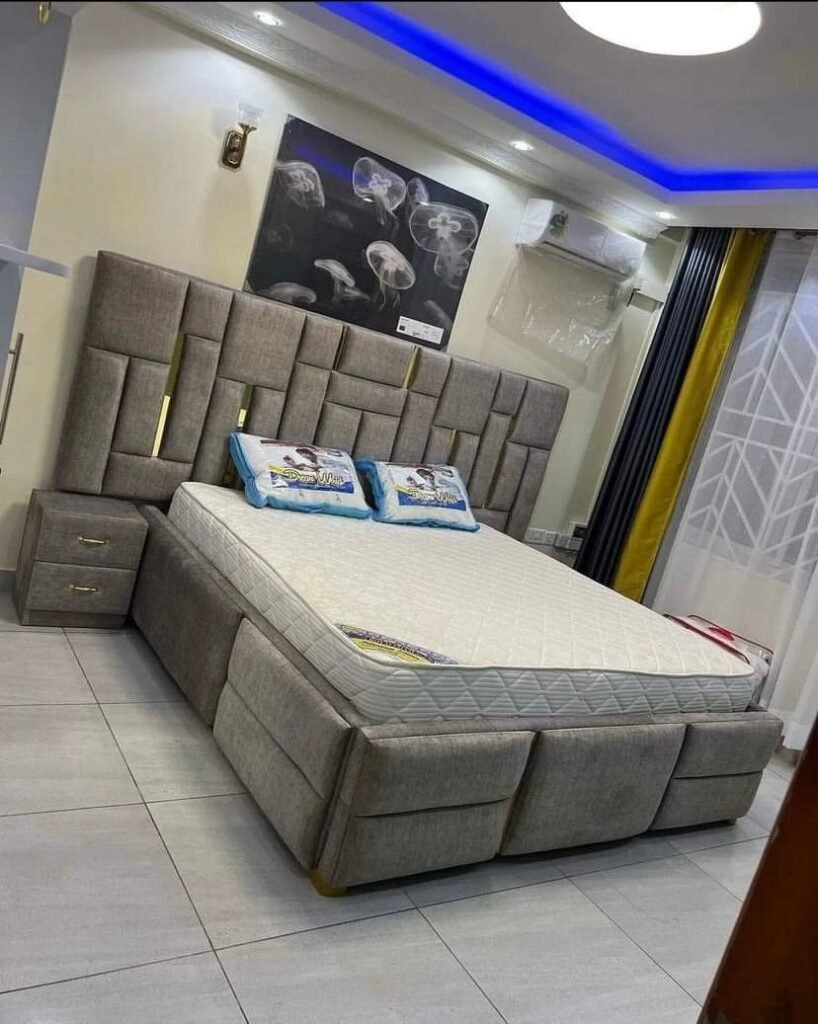
Quality is another critical factor when choosing furniture. While budget-friendly options may seem attractive, low-quality pieces often wear out quickly. Look for solid wood frames, strong joinery, durable upholstery, and high-density foam cushions. Reputable furniture retailers such as IKEA and Ashley Furniture Industries offer a range of options across different price points. Investing in high-quality foundational pieces like beds, sofas, and dining tables ensures long-term value and comfort.
Material selection also plays a major role in durability and aesthetics. Wood options such as oak and walnut provide strength and timeless appeal, while lighter woods like pine offer affordability. Upholstery choices should align with your lifestyle. Leather is durable and easy to clean, making it suitable for busy households. Cotton and linen provide a soft, breathable feel but may require more maintenance. Microfiber is a practical option for homes with pets and children due to its stain-resistant properties.
Color coordination significantly influences the overall atmosphere of your home. Neutral furniture tones such as beige, gray, and cream create flexibility and allow you to update décor easily. Bold colors like navy blue or emerald green can make a statement but should be used thoughtfully. If you are hesitant about committing to vibrant furniture, incorporate color through accessories like cushions, throws, and rugs instead. This approach allows you to refresh your interior style without replacing large pieces.



Comfort should never be overlooked. Whenever possible, test furniture before buying it. Sit on sofas, check seat depth, evaluate back support, and assess cushion firmness. A visually appealing chair that feels uncomfortable will rarely be used. The goal is to strike a balance between aesthetics and everyday comfort, ensuring that your home feels welcoming and practical.
Budget planning is equally important. Set a realistic budget before shopping and allocate more funds to frequently used items. Consider long-term durability rather than short-term savings. It’s better to buy fewer high-quality pieces than fill your home with items that need replacement within a few years. Watch for seasonal sales and compare prices across stores to maximize value.
Finally, plan your furniture layout carefully. A well-thought-out arrangement improves flow and functionality. Leave enough walking space between pieces and avoid pushing all furniture against the walls unless the room size requires it. Strategic placement can make even small rooms appear more spacious and organized.
In conclusion, choosing furniture for your home requires thoughtful planning, attention to detail, and a clear understanding of your needs. By measuring your space, defining your style, prioritizing functionality, investing in quality, and considering comfort, you can create a home that is both beautiful and practical. Furniture is more than decoration—it shapes how you live, relax, and connect with others in your space. Taking the time to choose wisely will ensure your home remains stylish, comfortable, and functional for years to come.